Cat Vaccination at Home in Melbourne: A Less Stressful Vet Visit
The carrier comes out and your cat disappears under the bed. For many pet parents, the stress of a vet visit starts long before the appointment itself. There is the struggle to get them into the carrier, the car ride, the waiting room, and then the unfamiliar sights and smells of the clinic.
Cat vaccination at home offers another option. Your veterinarian comes to you, so your cat can stay in the surroundings they know. There is no need to coax them out of a hiding place twice in one day or spend half the appointment trying to get them to settle down.
For cats in Epping, Wollert and surrounding Melbourne suburbs, an in-home visit can make routine vaccination a little easier to manage. It also gives your veterinarian time to examine your cat, talk through their health and lifestyle, and work out what preventive care is appropriate for them.
Why vaccinate your cat at home?
Vaccination is an important part of routine cat care, but getting to the vet can be a different story.
Cats tend to feel most comfortable in familiar territory. Once they are taken out of it, some become frightened, defensive, or unusually quiet. The smell of other animals, unfamiliar people, and the general activity of a clinic can all add to that stress.
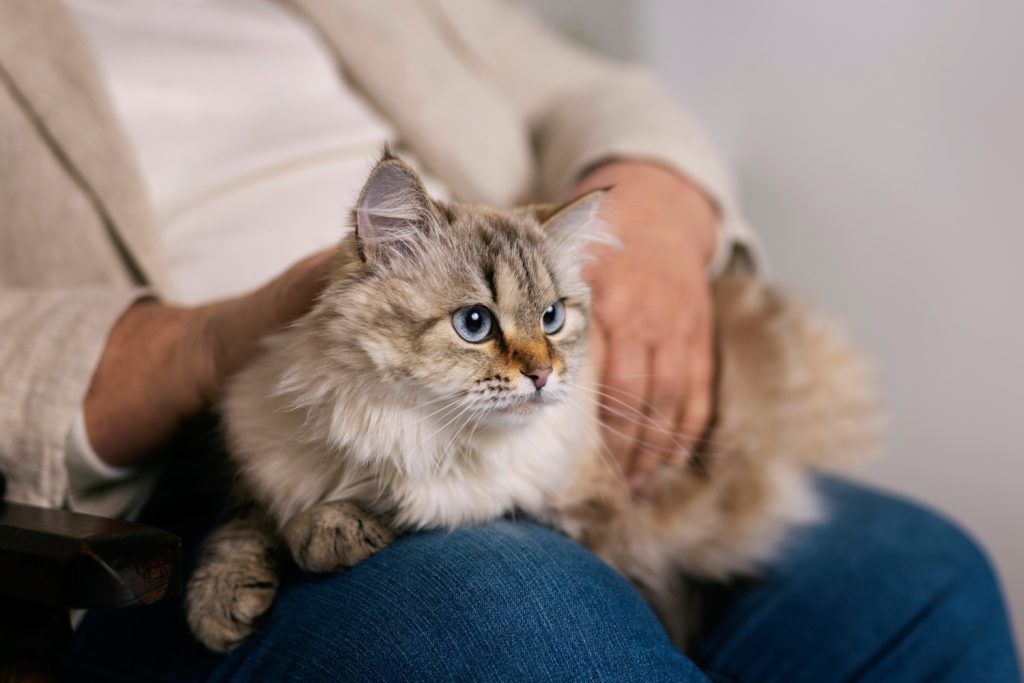
At home, your cat has the option of staying somewhere familiar. They may still hide when the veterinarian arrives. They may refuse to come out at first. That is okay. Your veterinarian can take the time to work with them rather than rushing through the visit.
A home appointment can be particularly helpful if you have an older cat, a cat with mobility problems, or an animal who becomes very distressed during travel. It can also be much simpler for households with several cats, young children, or busy schedules.
There is something else that can be useful about seeing a cat at home. Your veterinarian gets a glimpse of their normal routine. You can point out where they sleep, where they eat, or anything that has changed recently. Small things such as jumping less, drinking more, spending more time hiding or using the litter tray differently can be worth mentioning.
What happens during a home vaccination visit?
A vaccination visit starts with a conversation, not a needle.
Your veterinarian will ask about your cat’s general health and day-to-day life. Is your cat completely indoors? Do they go outside? Do they spend time around other cats? Do they stay at a boarding facility when you travel? Has anything changed since their last vaccination?
If you have their previous vaccination records, keep them nearby. If you cannot find them, do not panic. Your veterinarian can discuss what is known about your cat’s history and what should happen next.
Your cat will also have a physical examination before vaccination. This may include looking at their eyes, ears, mouth, skin and coat and listening to their heart and lungs. Their weight and general condition will also be checked, with other checks carried out where appropriate.
This can be particularly useful for older cats. You may have noticed that they are not jumping onto the sofa quite as easily, sleeping more than usual or having started drinking more water. These are the kinds of changes worth mentioning during the appointment.
Vaccination may sometimes need to be delayed if your cat is unwell. For example, if they have a fever, are vomiting, have diarrhoea or are recovering from another health problem, your veterinarian may recommend waiting until they are better.
Once your cat has been assessed and vaccination is appropriate, the vaccine can be given. You will also be told what vaccine was administered, when your cat is due for their next vaccination and what to look out for afterwards.
You can also use the visit to ask about other routine care, including parasite treatment, microchipping, nail trimming, dental care, or nutrition.
Which vaccines does your cat need?
There is no single vaccination schedule that is right for every cat.
Your cat’s vaccination needs depend on things such as their age, previous vaccinations, health and lifestyle. A cat who never goes outside will have a different exposure risk from one who spends their days exploring the neighbourhood.
Core vaccinations are generally recommended for cats because they provide protection against serious infectious diseases such as feline panleukopenia, feline herpesvirus and feline calicivirus.
Additional vaccines may be considered for cats who have more contact with other animals. This could include cats who go outdoors, stay at boarding facilities, or regularly meet other cats.
Kittens need several vaccinations as they grow because the protection they receive from their mother gradually wears off. Your veterinarian can explain the schedule and let you know when each vaccination is due.
Adult cats may also need booster vaccinations. The timing depends on their previous vaccination history; the vaccine being used and their individual circumstances.
Even when a cat gets older, it is worth continuing to review their vaccination needs rather than simply assuming they no longer require them.
Getting your cat ready for a home visit
There is not much you need to do.
Choose a room where your cat is reasonably comfortable and where doors and windows can be kept closed. This prevents an anxious cat from slipping outside or disappearing somewhere the veterinarian cannot reach.
Keep their vaccination records nearby if you have them. If they have a favourite bed, blanket or treat, leave that out too.
Most importantly, try not to chase your cat around the house before the appointment. If they have decided that under the bed is the only acceptable place to be, tell your veterinarian. They can work out how best to approach the situation.
Some cats will come out once they have had a few minutes to settle. Others may need more patience. There is no need to force a frightened cat to interact immediately.
Treats can help if your cat is interested in food when nervous. If they are not, that is fine too. Sometimes the best thing you can do is simply stay calm and let the veterinarian take the lead.
If your cat is extremely anxious about handling, your veterinarian can also talk to you about options that may make future visits easier.
Are there side effects after vaccination?
Most cats do well after their vaccinations. You may notice that your cat is a little quieter than usual, eats slightly less or seems tender around the injection site. These effects are generally mild and short-lived.
More serious reactions are uncommon. However, if your cat develops facial swelling, hives, difficulty breathing, repeated vomiting, collapse or severe lethargy after vaccination, contact your veterinarian promptly.
If something does not seem right, you do not have to work out on your own whether it is normal. Give your veterinarian a call and ask.
For the rest of the day, it is usually best to let your cat take things easy. Keep water available and allow them to sleep or rest wherever they normally feel comfortable.
When does your cat need a clinic instead?
Home visits are useful for many routine veterinary needs, including vaccinations, wellness checks, preventive care and some ongoing health concerns. But they cannot replace a fully equipped veterinary hospital in every situation.
Some cats need diagnostic equipment, surgery, intensive monitoring or other treatment that is only available in a hospital setting.
If your cat is struggling to breathe, has collapsed, cannot urinate, is bleeding heavily, has a seizure or appears to be in severe distress, they need urgent veterinary attention. Mobile veterinary care can still be helpful in guiding you on where to go and what to do next, but emergency hospital care may be necessary.
Making vaccinations easier for both of you
For some cats, the hardest part of vaccination is not the vaccination at all. It is getting them out of the house.
A home visit means your cat can stay in familiar surroundings while your veterinarian carries out their examination and routine preventive care.
Anivet Care provides in-home veterinary visits across Melbourne, giving you the opportunity to discuss your cat’s health without the usual carrier struggle and clinic trip.
If your cat is due for a vaccination, has missed a booster or becomes very unsettled every time you try to take them to the vet, a home appointment may simply be a better fit.
They may still hide under the bed when the doorbell rings. At least this time, the vet knows where to find them.